Simple Ingredients That Beat Sophistication
Why dishes built on a few simple ingredients stay in memory longer than complex ones: seasonality‚ precise technique‚ balance and local produce.
The Beauty of Precision‚ Not Excess
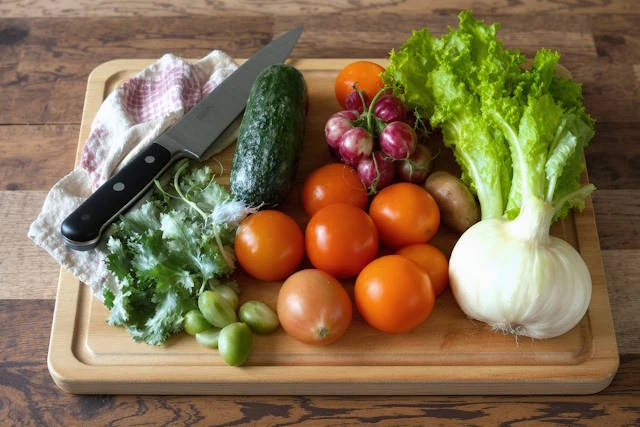
When you look at dishes that stay in your memory for a long time‚ you almost always find that they were built around one central ingredient‚ not dozens. Whether it is a juicy tomato in the right season or a slice of slowly baked bread‚ the power of food lies in paying attention to the ingredient itself. Too much sophistication can hide the true flavor and create distance between the diner and the dish. In contrast‚ precision in combining a few components lets the flavors speak in a clear‚ clean voice - without masks.
Understanding the Ingredient
Using a simple ingredient correctly requires really getting to know it. A vegetable‚ a fish or a spice reacts differently to temperature‚ cutting or cooking time. A chef who can recognize the exact moment an ingredient reaches its peak understands the depth of simplicity. This understanding comes only from experience‚ attention and appreciation for the ingredients themselves. Simplicity is not a lack of knowledge - it is actually the result of experience that lets you know when to stop‚ when to add and when simply not to touch.
Seasonality as a Winning Principle
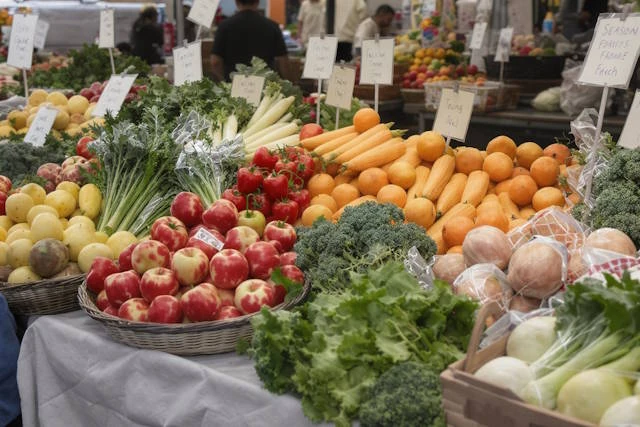
One of the main ways to bring out the best in simple ingredients is to work with them in season. A tomato in summer‚ an orange in winter or asparagus in spring - each reaches the peak of its flavor at a certain time. Using an ingredient in the right season removes the need for unnecessary sophistication‚ because nature has already done the work. Traditional cuisines around the world rely on exactly this principle: they do not try to change the flavor but to bring out the best of it in its time.
Technique That Serves Rather Than Dominates
Precise cooking is not necessarily complicated cooking. Good technique should highlight the ingredients‚ not overpower them. Searing a vegetable properly‚ roasting in a hot oven or seasoning gently - all are tools that draw depth out of simplicity. Sometimes good salt‚ quality olive oil and a touch of heat are enough to turn an everyday food into an unforgettable dish. When cooking comes from an understanding of the process rather than a desire to impress‚ the result is precise and truly moving.
The Emotional Connection to Simplicity
Simple food manages to evoke feelings of home‚ childhood and comfort. It speaks to emotional memory and not only to the taste buds. The smell of freshly baked bread‚ the taste of a hot potato or a sliced tomato with a little salt remind all of us of a basic sense of security. In this sense‚ simplicity beats sophistication because it touches what is most human - the need for the familiar‚ the warm‚ the homely.
A Balance of Natural Flavors
Cooking with few ingredients requires a deep understanding of balance. When there are only three or four components‚ each one has to be in exactly the right place. The sour has to be soft enough not to dominate‚ the salty has to accentuate the sweet‚ and the texture must complete the picture. It is a delicate game in which every mistake is felt immediately - but when everything is balanced‚ the result is perfect. This is the secret behind cuisines based on simple ingredients: the balance between naturalness and craft.
How Simplicity Shapes the Overall Experience
Food that does not try to impress is precisely what manages to move us. Dishes made from readily available ingredients create a sense of closeness and real enjoyment. When there is no effort to hide behind foam‚ garnish or complicated names‚ there is room left for the flavor itself. The diner feels a direct connection to the food - not to the show surrounding it. Simplicity frees the experience and lets you enjoy without thinking‚ without analysis and without trying to work out the "chef's intention".
Local Ingredients as a Source of Inspiration
Even in innovative kitchens‚ the desire to return to the roots has become a global trend. More and more restaurants choose to use local produce - not only for sustainability reasons‚ but out of a belief that true flavor comes from the nearby land. A tomato picked in the morning and eaten at noon tastes many times better than an imported one. When you cook with ingredients grown in the same region‚ a natural harmony forms between them - a flavor that feels as though it belongs to the place‚ the time and the people around it.
The Precision of Holding Back
There is a moment when adding another ingredient‚ seasoning or garnish no longer contributes anything. Knowing when to stop is one of the hallmarks of an experienced cook. Holding back is not a sign of a lack of effort - quite the opposite‚ it reflects confidence. When you understand that the ingredient is enough on its own and there is no need to disguise it‚ real magic happens. It is the same insight that separates good food from moving food: the courage to let simplicity speak.
In Summary
Simple ingredients are not a substitute for complexity - they are its alternative. They remind us that every great flavor starts with something small‚ natural and real. Those who cook while listening to the ingredient‚ the season and the aroma discover that food does not have to be sophisticated to be perfect. In the end‚ what remains is not the number of ingredients but the feeling they managed to convey - warmth‚ balance and calm. Simplicity is not a trend but a culinary way of life that connects people‚ the land and the truth.