The Muscles That Keep Working Even at Rest
Which muscles keep working while the body rests - stabilizers‚ breathing muscles and smooth muscle - and how tone and sleep support recovery.
The Difference Between Rest and Stillness
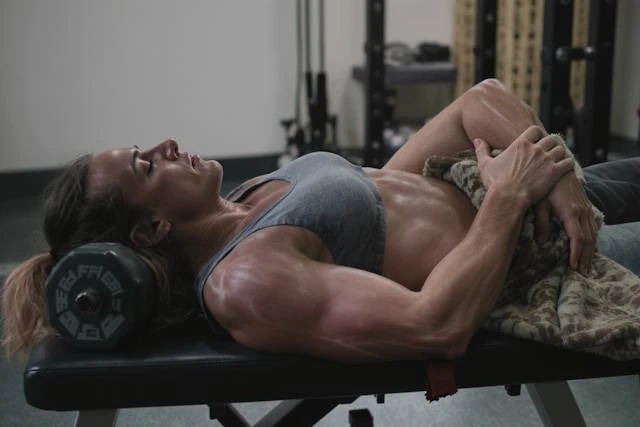
Rest is not total stillness. The body never freezes; even lying down‚ there is blood flow‚ breathing‚ temperature regulation and micro-movements that prevent stagnation. During sleep‚ for example‚ we change position frequently‚ and the muscles of the neck‚ back and diaphragm stay gently active. Understanding that rest is not a "stop" but a balanced state of moderate activity changes the way we look at physical and mental recovery.
The Role of the Stabilizing Muscles
At the core of the body there is a system of deep muscles - the core‚ lower back and intervertebral muscles - that work all the time to keep the skeleton stable. These muscles keep working even when you are not training: they maintain an upright posture‚ keep the spine from collapsing and allow proper mobility. Their quiet work is what lets the outer muscles rest and recover. When they are strong and balanced‚ the other muscles also work more efficiently‚ and physical effort feels much easier.
Breathing as Ongoing Muscle Work
One of the clearest examples of muscles working at rest is the respiratory system. The diaphragm‚ the intercostal muscles and the abdominal muscles work every moment to allow proper gas exchange. Even when we are not aware of it‚ the body makes a coordinated effort to keep breathing at the right pace. The quality of breathing at rest affects oxygen levels in the blood‚ heart activity and the overall sense of calm. Deep‚ slow breathing during rest engages delicate muscles in a way that promotes real relaxation.
The Link Between Muscle Tone and Rest
Muscle tone is the basic tension the muscles hold even when they are not active. A normal level of tone keeps the body ready for action but not overly tense. When tone is too high‚ the muscles keep working even at rest - which can lead to fatigue‚ pain or a feeling of constant alertness. Balanced tone‚ on the other hand‚ lets the body relax while keeping its structural stability. This shows that good rest is not measured only by hours of sleep but by the quality of muscular release.
The Work of the Involuntary Muscles
Smooth muscles‚ which work involuntarily‚ keep going even when the body is resting. The digestive system‚ the blood vessels‚ the bladder and other internal organs depend on the constant activity of delicate muscles that are not under conscious control. They are what allow blood flow‚ proper digestion and overall homeostasis. In fact‚ the body never "rests" in the sense of complete stillness - it simply changes the nature of its activity.
Active Rest as a Continuation of Movement
Active rest is a state in which the body keeps up light‚ controlled movement even while recovering. For example‚ a slow walk after a workout or gentle stretching in the morning. Gentle movement maintains healthy blood flow‚ prevents a build-up of lactic acid and speeds up tissue repair. This is the body's way of recovering without stopping completely. It is precisely in this quiet‚ when movement is soft and controlled‚ that the muscles which require no conscious effort are deeply strengthened.
The Link Between Sleep and Muscle Renewal
Particularly important recovery processes take place during sleep. The body releases growth hormones‚ the muscles regenerate and tissue cells worn down during the day are rebuilt. Small muscles‚ such as those responsible for posture and breathing‚ keep working gently to maintain balance. It is a process in which gentle activity supports real rest - the body is not switched off but repairing itself from within.
How Mental Calm Affects the Muscular System
The mind affects the body even at rest. Mental stress causes overactivity in the muscles of the neck‚ shoulders and jaw‚ which prevents real relaxation. When you practice conscious calm - through breathing‚ meditation or guided relaxation - the muscles respond and release tension. It is a two-way process: when the body is calm‚ the mind calms down too‚ and when there is mental peace‚ the muscles work at a more precise dose.
The Role of Body Awareness at Rest
When you are aware of your body at rest as well - not only in movement - a new relationship with your muscles develops. Gently noticing your breathing‚ the sense of heaviness‚ warmth or a slight tremor helps you understand when the body is truly resting and when it is just lying down without letting go. Practicing body awareness‚ even for a few minutes a day‚ helps regulate tension and returns the muscular system to its natural balance.
The Importance of a Daily Balance Between Effort and Release
Just as the body needs training to keep its strength‚ it needs rest to keep its balance. The muscles that work at rest are the bridge between these two extremes. When they function well‚ the body moves freely during the day and relaxes at night. This kind of balance prevents injuries‚ strengthens the nervous system and improves quality of life. It is a reminder that rest is not inactivity but an active part of the process of maintenance and growth.
In Summary
The muscles that keep working even at rest are a reminder that the body lives‚ breathes and acts without a break - even when it seems quiet. They protect posture‚ balance tension‚ support the internal systems and prepare the ground for the next effort. Recognizing their subtle work teaches us that strength is built not only in movement but also in the quiet between movements. Once you understand this‚ a new appreciation grows for the body and its wisdom - a wisdom that works even when everything seems still‚ and a reminder that every real rest is just one more stage in the constant movement of life.