A Tiny Change in Habits That Prevents Recurring Pain
How small changes in posture‚ movement‚ breathing‚ hydration‚ sleep and short breaks can help prevent recurring back‚ neck and shoulder pain.
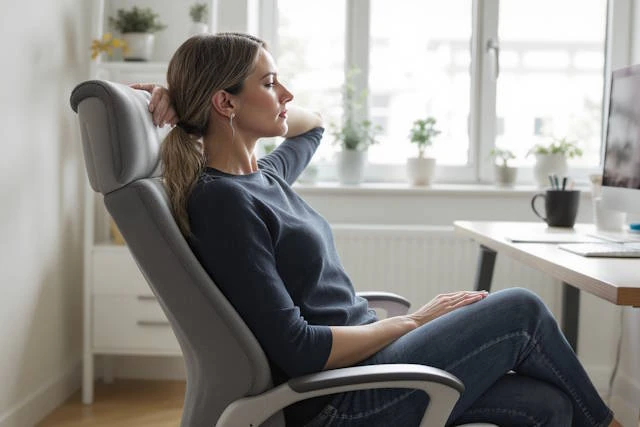
Noticing the Habits That Lead to Physical Tension
Recurring pain often comes from unconscious everyday habits. Sitting incorrectly at a computer‚ bending over repeatedly while cleaning or lifting a heavy bag the wrong way all create a load that builds up. The body remembers every repeated movement‚ and each small pattern like this can turn into a source of pain over time. Noticing these habits is the first step toward prevention. Simply recognizing that a certain action causes the body discomfort is already the beginning of a change that reduces the load.
The Importance of Moving Throughout the Day
One of the main causes of recurring pain is a lack of movement. Even people who exercise regularly can suffer from pain if the rest of the day is spent sitting for long periods. Light movement during the day - a short walk‚ a shoulder stretch‚ a change of position - releases the muscles and keeps the body from stiffening. There is no need to set aside special time for this; a few minutes of awareness are enough for the body to remember that it is alive and moving. Moderate movement keeps blood flowing well and lowers the risk of recurring pain.
How Breathing Affects Muscle Tension
Many people do not realize that shallow breathing over a long period increases tension in the body. When the mind is stressed‚ breathing becomes fast and shallow‚ and the muscles respond accordingly. Adopting a habit of slow‚ deep breathing - even a few times a day - takes pressure off the shoulders and neck and releases inner tension. Practicing mindful breathing while sitting or before sleep is not dramatic‚ but over time it reduces pain caused by accumulated tension.
How Your Workspace Affects Your Body
The position of the screen‚ the height of the chair and the angle at which you sit directly affect the health of your back‚ neck and hands. A small change in how your workspace is arranged can prevent major strain. Setting the right screen distance‚ avoiding leaning forward and keeping a balanced back posture create a feeling of ease even after long hours of sitting. Once the workspace is set up with awareness of the body‚ it becomes a health tool rather than a source of daily wear and tear.
The Link Between Drinking Enough and Preventing Pain
The body needs fluids to keep its tissues flexible and its muscles working properly. A lack of water causes fatigue and muscle cramps‚ which sometimes show up as chronic pain. Drinking throughout the day‚ even without feeling thirsty‚ keeps the body properly hydrated. Water‚ soups and herbal teas contribute to a feeling of freshness and smooth movement. A small change‚ like keeping a water bottle on your desk‚ may prevent pain caused by mild but ongoing dehydration.
How Sleep Quality Affects Pain
When sleep is insufficient‚ the body does not have time to repair itself. Tense muscles stay under strain‚ and the nervous system stays on alert. Building a regular sleep habit - a calm evening‚ dim lighting and avoiding screens before bed - helps balance the body's systems. During sleep‚ substances are released that heal the muscles and strengthen the immune system. Here‚ too‚ the change is not revolutionary: it starts with a small decision to move up the time when the body gets real rest.
How the Mind Affects the Sensation of Pain
The connection between body and mind is much stronger than it seems. Mental stress‚ worry or emotional overload can show up as physical pain‚ mainly in the back‚ neck and shoulders. When you adopt a habit of pausing mindfully - a moment of breathing‚ a short walk or closing your eyes for a few seconds - an opening is created for releasing pressure. A small shift in mindset that lets the mind calm down reduces the muscles' response to stress. This is not about slackness but about restoring the balance between mind and body.
The Cumulative Effect of Short Breaks
During an intense workday‚ it is easy to forget the need for breaks. Yet it is precisely short moments of rest that give the body back its strength. Standing up‚ stretching or closing the computer for a few minutes lets the muscular system recover. Rest is not a waste of time - it is part of productivity. Every minute of pause prevents future strain. The body learns to value these moments‚ and they become a habit that creates stability and calm over time.
A Small Change as the Basis for a Big One
Sometimes just one step is needed to break a cycle of pain. For example‚ switching to more comfortable shoes‚ changing the height of your pillow or adding moderate activity to your routine. Each small change like this affects a wide range of systems in the body. The small change becomes a sign of listening - to the body‚ to the mind and to changing needs. Gradually‚ old habits are replaced by others that bring more calm and less strain‚ until the pain that was part of daily life simply disappears.
In Summary
Preventing recurring pain does not require a big effort‚ only attention to small details. The body sends clear signals when it is tired‚ tense or overloaded‚ and the question is whether you listen to it in time. A tiny change in habits - sitting posture‚ mindful breathing‚ moderate movement or a moment of rest - creates a significant change over time. Once you accept that health is built from everyday habits and not from a one-time effort‚ the path to a pain-free life becomes simpler and clearer.