How to Improve Your Health After a Stressful Period
How to gently restore your health after a stressful period through balanced eating‚ better sleep‚ moderate movement and social support.
Focus on Balance Rather Than Drastic Change
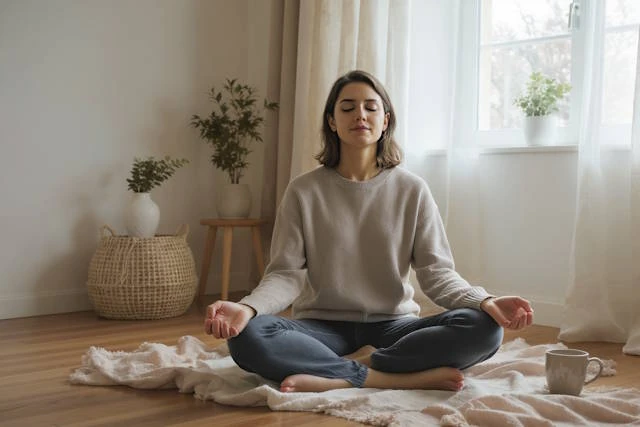
After a stressful period‚ the temptation to make a quick change is strong. Many people tend to start a strict diet or intense workouts‚ but that very step can put even more strain on a system that has already been through a lot. The healthier path is to focus on balance. Eating based on stability - regular meals‚ fresh food and consistent intervals - lets the body understand that things are safe again. Instead of extremes‚ it is best to adopt a simple routine that gradually restores a sense of control‚ both physically and mentally.
Listening to Your Body as the Basis for Recovery
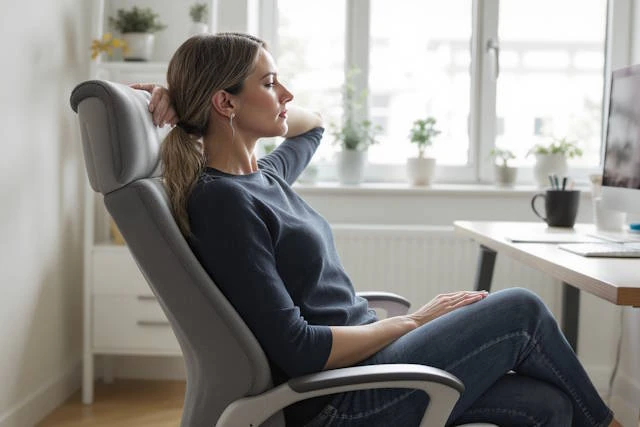
During stressful times‚ many people get used to ignoring their body's signals - a racing pulse‚ shallow breathing or tension in the muscles. Later‚ once things calm down‚ it is important to start listening again. Physical signs are the body's language‚ and paying attention to them makes it possible to spot overload early and deal with it in time. Practicing long breaths‚ short stretches during the day and slowing down your pace all help give the body back its inner confidence. Listening does more than prevent problems - it also repairs the damaged connection between body and mind.
Restoring Sleep Quality as a Critical Stage of Recovery
One of the first effects of stress is disrupted sleep. Even when the pressure passes‚ broken sleep patterns can keep taking their toll. Getting back to regular sleep takes patience: a fixed bedtime‚ avoiding screens in the hour before sleep and preparing a quiet‚ dark environment. The first nights may seem challenging‚ but over time the body learns to recognize its hours of rest again. Deep‚ quality sleep strengthens the immune system‚ sharpens thinking and brings back a sense of inner calm.
Gentle Movement That Restores Energy Instead of Draining It
After emotional strain‚ physical activity can become one of the most effective ways to recover‚ as long as it is done in the right dose. Gentle movement - a walk in nature‚ yoga‚ swimming or a relaxed bike ride - gets the blood flowing‚ raises energy levels and releases hormones that balance your mood. The key is to listen to your own pace rather than comparing yourself with others. Moderate activity is not a sign of weakness but of physical wisdom that recognizes the need to rebuild strength.
Food That Calms Body and Mind
Certain foods affect not only the body but also stress levels. In the period after a heavy load‚ it is best to choose foods that bring a sense of calm: leafy greens‚ nuts‚ whole grains‚ herbal tea and hot soups. It is important to cut back on sugar‚ caffeine and alcohol‚ which can increase irritability even after the outside pressure has passed. Every day‚ food becomes a gentle message to the body - a message of stability‚ warmth and a return to a calm inner rhythm.
Rebuilding Social Ties for Emotional Support
Stress sometimes causes people to withdraw‚ puts a strain on relationships or creates a sense of disconnection. An important stage of recovery is renewing those ties - a relaxed conversation‚ a walk together‚ a short meeting at a café. Positive human interaction regulates the emotional system and increases a sense of security. Deep conversations are not necessary; presence is what counts. In places like Ramat Gan‚ where the urban pace keeps pushing forward‚ finding time for simple human connection can be a small but meaningful step toward full recovery.
Setting Clear Boundaries Between Work and Rest
After long periods of pressure‚ the line between work and rest can blur. It is important to rebuild the framework: work hours that end at a set time‚ real breaks and dedicated spaces for rest where emails and tasks do not enter. This separation tells the brain that the day is divided into defined zones - one for doing and one for relaxing. Over time‚ this sense of order restores inner confidence and prevents a return to old cycles of stress.
Adding Small Moments of Gratitude and Joy
Returning to balance is not only physical or mental - it is emotional too. Small moments of gratitude‚ a smile or attention to good things strengthen the immune system and improve your mood. Simply focusing on the positive changes the body's response to stress. Even in the middle of busy periods‚ you can notice the light coming through the window‚ the smell of morning coffee or the touch of a cool breeze. This small connection softens the rigidity that stress creates and brings a natural flow back to life.
A Flexible Routine as a Way to Prevent Recurring Overload
After a stressful period‚ it is easy to slip back into old habits‚ but this is exactly where a change of mindset is needed. Instead of a rigid routine‚ it is worth creating a flexible framework that leaves room for surprises and rest. Mental and physical flexibility is a natural defense against burnout. When you are able to adapt‚ the body is less alarmed by change and the mind responds with stability. A routine that supports rather than pressures creates a real foundation for long-term health.
In Conclusion
Improving your health after a stressful period is not a one-time project but a process of coming back to yourself‚ step by step. It is a combination of body and mind‚ movement and rest‚ listening and letting go. When your routine is built on awareness rather than force‚ the body recovers‚ the mind settles and vitality starts flowing again. In the end‚ health is not a distant goal but the result of everyday listening - to yourself‚ to your surroundings and to the rhythm of life that is right for you.