Safety Systems That Require Real Attention
Why a car's safety systems only work reliably with clean sensors‚ up-to-date software and a driver who stays alert at the wheel.
The Routine That Becomes a Dangerous Habit
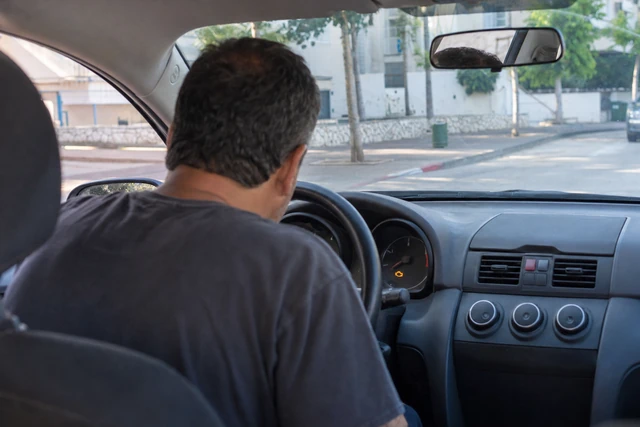
When a system warns again and again‚ there is a tendency to ignore it. An audible alert that sounds too often or a flashing light that comes on even in minor cases - all of these wear down attention. Instead of listening to the signals‚ drivers start ignoring them on the assumption that it is just another "false alarm". This creates a paradox: a system designed to save lives loses its effect because people stop trusting it. Staying alert to the small signals is part of understanding that technology‚ like any tool‚ depends on how it is used.
Systems That Rely on Sensitive Sensors
Sensors are the heart of safety systems - cameras‚ radars‚ lasers and thermal sensors. But they are vulnerable too: dirt‚ rain‚ ice or even a small insect on a lens can affect their accuracy. When a camera is blocked or a sensor is dirty‚ the whole system may misidentify things or not work at all. Cleaning these areas regularly is not a cosmetic matter - it is life-saving maintenance. Paying attention to these small details is what separates a reliable system from one that may fail at a critical moment.
Maintaining Software and Hardware
Modern safety systems are not made up of physical parts alone - they also include smart software that is updated and improved. New versions fix bugs‚ add functions and make the system more efficient. Drivers who do not keep the car's software up to date may find that the system does not work properly. In addition‚ physical components such as sensors‚ cameras and control units require periodic inspection at an authorized garage. The combination of up-to-date software and sound hardware is what ensures the system can respond in real time.
Overreliance on Automation
The more the car does by itself‚ the greater the danger that the driver will stop being an active partner. Systems such as adaptive cruise control‚ lane keeping and automatic braking give a false sense of security. But even the most advanced system does not replace human judgment. When you rely on it blindly‚ a double danger arises - both technological errors and a delayed human response. Real attention means knowing when to step in‚ even when the system is working properly.
The Effect of Road Conditions on Performance
Not every safety system copes equally well with rain‚ fog or strong sunlight. Extreme environmental conditions can mislead cameras and reduce the accuracy of lane or object detection systems. That is why it is important to understand the limits of the technology: an autonomous braking system does not guarantee a complete stop in every situation‚ and a lane correction system does not always recognize the edges of the road. Understanding that the system works well only under certain conditions is part of the attention required of the driver.
The Link Between Cleanliness and Accuracy
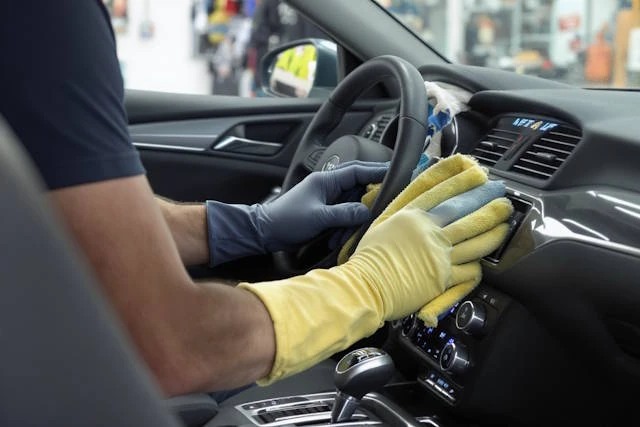
Clean headlights‚ a clear windshield and dirt-free cameras directly affect how well safety systems work. A dirty lens can blur a distant object or hide a pedestrian. Keeping things clean is not just about looks but part of the routine maintenance of safety. A well-kept‚ clean car is also a car whose systems see better‚ react faster and provide real protection in real time.
Understanding the System's Indicators
Modern safety systems give warnings in different ways - sounds‚ flashing lights or vibration in the steering wheel. Each of these signals has a precise meaning‚ but many drivers do not know the differences. Not understanding the language the system "speaks" leads to the loss of precious time in an emergency. Learning the indicators in advance‚ knowing the early warning signs and understanding the different alerts are an integral part of using the system correctly. Understanding leads to the right response‚ and the right response saves lives.
Safety Systems as Part of the Driving Experience
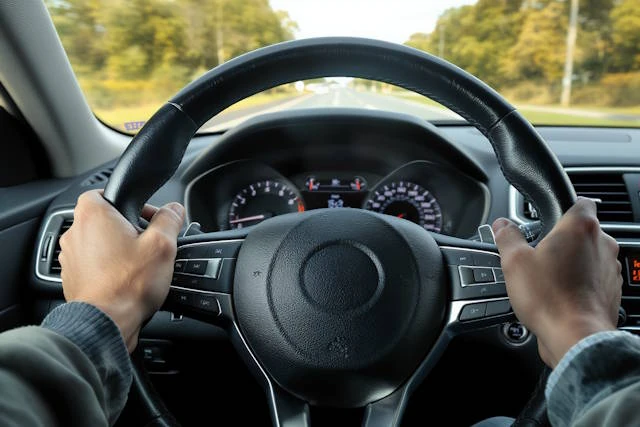
When safety systems are treated as a real partner‚ driving becomes calmer and more balanced. Instead of seeing them as a nuisance‚ you can think of them as a gatekeeper that adds a layer of protection to human skill. Drivers who understand the system's role‚ check it regularly and use it with awareness enjoy a greater sense of control and confidence. This creates harmony between person and machine - a partnership that gives every trip stability and safety.
The Financial Impact of Paying Attention
A properly working safety system is not only about protecting lives - it also saves money. Small faults that are dealt with in time prevent costly damage in the future. A sensor that is not checked can cause an expensive braking system to stop working. A car whose systems are in good order holds a higher market value‚ and drivers who maintain it well enjoy lower insurance premiums and sometimes even better financing terms. Real attention‚ then‚ translates directly into real value.
Summary
Safety systems are an impressive technological achievement‚ but they are also a responsibility. They protect‚ warn and correct‚ but they are no substitute for human alertness. Keeping them clean‚ updating them periodically‚ checking them regularly and truly understanding how they work - all of these determine whether the system will save lives or lose its effect. Real attention is not only noticing when the system flashes but understanding that it is part of a wider fabric of safety‚ awareness and personal responsibility. Only when smart technology is combined with an alert mind do you get the best protection - the kind based on cooperation rather than blind reliance.