A Steering Feel That Changes Over Time
Why the feel of a car's steering changes over the years and how wear‚ maintenance‚ driver experience and road conditions shape it.
Wear and Its Effect on Feel
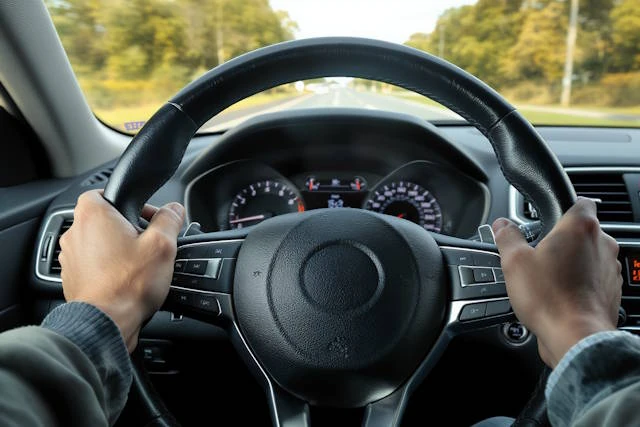
Over the years‚ every car goes through a natural process of wear. Tires age‚ shock absorbers lose some of their flexibility‚ and the steering mechanism itself softens or tightens depending on road conditions and use. The feel of the wheel is affected by every small change - even a different tire pressure changes the contact with the road. As the car ages‚ some of the sharpness disappears‚ but in its place comes a certain softness‚ a stability that gives a different kind of confidence. It is a subtle but ongoing change‚ one that an experienced driver feels in the body before noticing it with the eyes.
How the Driver Adapts to the Car
It is not only the car that changes - the driver does too. As time passes‚ the body gets used to the car's responses. The hands learn the resistance of the wheel‚ the muscles recognize slight shifts and react instinctively. This connection creates a sense of unity that makes it hard to tell whether a change comes from the car or from the driver. Driving is no longer just a technical act‚ but an ongoing conversation in which body and machine speak a shared language.
Modern Steering Systems and What They Mean
The move from hydraulic to electric steering systems changed the way the road is felt. In the past‚ the driver felt the resistance of the tires and the asphalt directly; today‚ computers filter out some of these sensations to provide a smoother‚ more pleasant drive. But here too‚ over the years‚ a different sensitivity develops - instead of physical strength‚ mental precision is needed. Modern steering teaches you to rely more on precise input and less on the feel of physical resistance.
How Maintenance Affects Long-Term Steering
Steering feel depends not only on the age of the car‚ but also on how it is cared for. Regular checks of tire pressure‚ wheel balancing‚ suspension and the steering system ensure that the response stays precise even after years. Proper maintenance preserves the original feel - or at least the stability it represents. Drivers who treat steering as an ongoing language and not just a control tool understand that every visit to the garage is really maintenance of the bond between them and the car.
The Human Factor and Confidence Behind the Wheel
As the driver grows older‚ the sense of confidence changes along with the steering. Speed is no longer the goal - precision and control are. Smooth movement‚ clean lines and an accurate turn of the wheel give a feeling of calm strength. The change in feel over the years is also a change in attitude - no longer the excitement of the early days‚ but the calm of someone who already knows how the body responds to every turn. It is a process in which confidence replaces the need to prove something‚ and driving itself becomes wiser.
The Link Between Environment and Driving
Steering feel does not develop only inside the car - it is the result of the conditions around it. City roads with potholes‚ changing weather or mountain driving all affect how the car responds. Over time‚ the driver learns where the wheel reacts differently and picks up the early signs of a change in grip or stability. In this sense‚ steering feel becomes not only technical but almost intuitive - a way of reading the surroundings through the wheel.
Comparing It to a New Car
When experienced drivers switch to a new car‚ they are sometimes surprised by how different it feels. The car responds sharply‚ the wheel is light‚ and the reaction is instant. But after a short while‚ that "new" feel also softens. The body adapts to the new characteristics‚ and the initial sharpness gives way to a deeper understanding of the balance point. This shows that the change in steering feel is not only technological - it is psychological and physiological at the same time.
Steering as a Mirror of Time and Experience
Steering feel can be seen as a reflection of the years gone by. Every kilometer adds a layer of knowledge - how the car behaves in sharp turns‚ how it handles in the rain‚ how it feels on a day when the tires are more worn than usual. This understanding makes driving safer and more precise. The feel of the wheel is no longer just a mechanical response‚ but a story of the road‚ memory and experience.
The Inner Balance Between Control and Release
Good driving is not based on a tight grip on the wheel‚ but on a balance between control and release. Soft hands react faster and let the car flow with the road instead of fighting it. A steering feel that changes over time teaches this too - gentle force works better than constant tension. The better you understand the steering‚ the calmer you become. The hands no longer "control" - they listen.
Summary
Steering feel is much more than a mechanical system. It is a relationship that begins the moment the key goes into the ignition and lasts as long as the car accompanies its driver. Over the years it changes‚ softens and becomes more refined - like any bond built on real familiarity. This change speaks of the time that has passed‚ of the road traveled and of the ability to understand the body and the machine that works alongside it. A steering feel that changes over time is not just the result of wear - it is an expression of a deeper understanding of what true control is‚ and of the connection between movement‚ quiet and precision.