The Season That Shapes How a Flavor Makes Us Feel
How temperature‚ scents‚ colors‚ textures and seasonal produce change the way we experience flavor at different times of the year.
How Temperature Affects Our Sense of Taste
The body responds differently to the surrounding temperature‚ and this also shows in our sense of taste. In winter‚ when it is cold outside and the body seeks warmth‚ fatty and rich foods feel more comforting. Thick soups‚ slow-cooked stews and warm desserts bring a feeling of security and ease. In summer‚ by contrast‚ when the heat weighs down on us‚ the same foods may seem too heavy. Then fresh salads‚ chilled fruit and light dishes become the favorites. Temperature changes affect not only the desire to eat‚ but also the way the receptors on the tongue interpret the intensity of a flavor.
Seasonal Scents That Shape Memory
One of the strongest elements in the experience of food is smell. Each season brings scents that shape the sense of taste before you even touch the food. The smell of the first rain‚ wet earth and cinnamon recall winter; in contrast‚ the scents of cut grass‚ melon and watermelon represent summer. These smells affect the brain and prepare it to expect certain kinds of flavors. When a dish that clashes with the season is served - say‚ a winter stew in the middle of July - the experience may feel unnatural‚ not because the taste is bad‚ but because it does not match what the other senses are signaling.
Colors That Change the Appetite
The colors of food change with the seasons‚ and sometimes‚ without us noticing‚ they affect our appetite. Dark colors such as brown‚ purple and deep orange are seen as comforting and suited to winter‚ while bright colors such as green‚ yellow and pink convey a freshness that suits summer. Changes in light between the seasons also affect how the eye perceives food: in the soft winter light‚ dark dishes look warm and inviting; in the strong summer sun‚ dark dishes may look too heavy. That is why even the design of the plate - not just what is on it - is directly influenced by the seasons.
Textures That Speak to the Weather
The texture of food largely determines how satisfying it feels. When it is cold outside‚ thick and tender textures create a feeling of warmth; in the hot seasons‚ light and crunchy textures add freshness. The body naturally responds better to textures that match its physical state at that moment. That is why cold soups like gazpacho are popular in hot regions‚ while hearty stews are preferred in snowy places. This preference is not only cultural - it is biological. The body seeks a balance between what it feels outside and what it takes in.
How the Seasons Affect Cravings for Sweet or Salty
The craving for sweet or salty food also changes with the weather. In summer‚ when the body loses salts through sweat‚ the desire for salty food rises. In winter‚ by contrast‚ there is a tendency toward carbohydrates and sweets‚ as the body looks for quick energy that provides a sense of warmth. That is why desserts such as yeast cakes or warm puddings suit winter‚ while ice cream and frozen fruit are more appealing in summer. This understanding helps not only home cooks‚ but also restaurants and bakeries that adapt their menus to the seasons to create a more precise experience for diners.
How the Seasons Affect the Availability of Ingredients
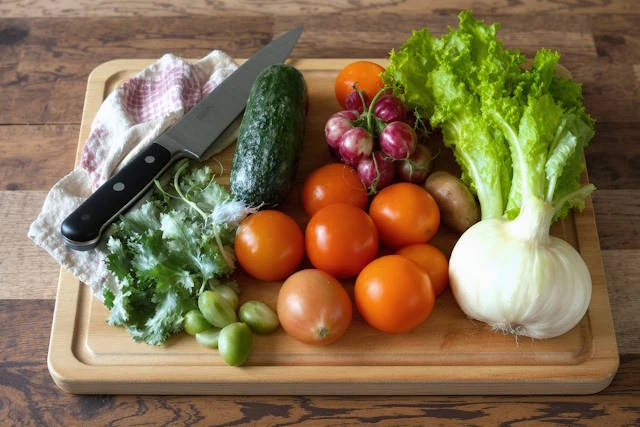
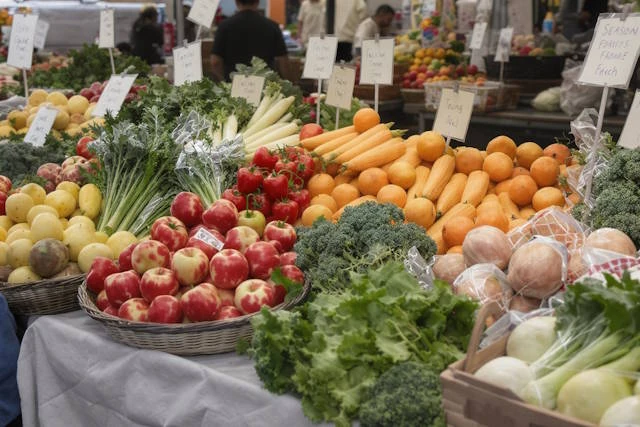
Not every flavor can be recreated all year round. Some ingredients have a short season‚ and they bring intense flavors that are hard to find out of season. Summer tomatoes‚ winter strawberries or autumn mushrooms - each represents a certain period in nature‚ and when you cook with seasonal ingredients‚ the food gains depth and authenticity. Traditional cuisines around the world were built on exactly this principle: cook with what there is‚ and do not import flavors foreign to the season. In this way‚ nature itself becomes the head chef guiding the palate.
The Emotional Connection Between Food and Season
Beyond the physical aspect‚ there is also an emotional effect. Certain foods are linked to childhood memories‚ to the smells of holidays or to family meals that take place in certain seasons. The taste of a sufganiyah recalls winter‚ the taste of corn recalls summer‚ and the taste of chicken soup brings back a feeling of security. The seasons do not only change the menu - they also affect our mood‚ so every bite holds not only flavor but also emotion. This is what makes the culinary experience far more complex than the sum of its ingredients.
Matching Seasoning to the Season
The intensity of seasoning also changes with the weather. In winter‚ stronger spices - such as ginger‚ black pepper or turmeric - create a feeling of inner warmth and support the immune system. In summer‚ milder seasoning - such as mint‚ lemon or basil - brings a sense of freshness. Seasoning is not only a matter of taste but of physical sensation. When flavors blend in harmony with the weather‚ a more balanced experience is created that works with the body‚ not against it.
Food as Part of the Seasonal Cycle
Modern people tend to forget how closely food is tied to the cycles of nature. In the past‚ every meal was a direct result of what grew in the fields that season. Today‚ when almost anything can be bought all year round‚ this connection has weakened - but returning to it creates a sense of wholeness. When food is matched to the season‚ it feels right for body and mind. It is not only a matter of availability‚ but of being in sync with the natural rhythm of the world.
Summary
The season determines much more than whether we prefer a hot or a cold dish. It affects the whole experience: how we feel from the first bite‚ which flavor leaves a lasting memory and what we will look for again some time later. Food is a mirror of the seasons - it reflects the weather‚ the mood and the inner energy of the time of year. Once you understand this‚ every meal takes on new meaning: it becomes a moment of connection between the body‚ nature and time.