Cooking That Starts With Smell‚ Not the Clock
How smell tells you when the oil is hot‚ the spices have opened up and the dish is almost done‚ and why it beats any kitchen timer.
Smell as a Marker of the Process
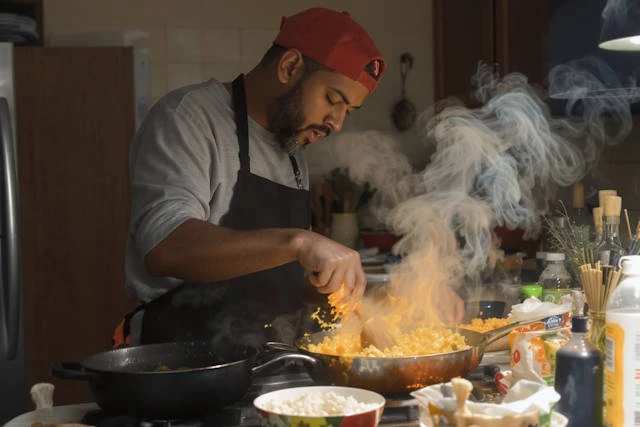
One of the first things experienced cooks teach is to listen to smell. Unlike a timer or a temperature reading‚ smell is a living‚ breathing indicator of the cooking process itself. It tells you whether something is burning‚ whether the oil has reached the right heat and whether the spices are opening up properly. In home cooking too‚ you can tell exactly when a dish moves from gentle frying to deep caramelization just by its aroma. Smell expresses what is happening inside the pot - it is evidence of heat‚ of time and of the chemical reactions taking place between the ingredients.
The Senses as a More Precise Guide Than the Clock
Cooking based on the clock alone can miss the essence: food is alive‚ it changes‚ it reacts to temperature and humidity and it is never the same twice. Sharp senses let you notice the subtleties: when oil starts to bubble‚ when an onion reaches exactly the right translucency or when the smell of cinnamon rounds out and softens. In traditional kitchens‚ before there were timers and thermometers‚ people relied on smell and on an inner sense of time. That is why many traditional dishes succeed even without a written recipe - they were born from attention‚ not from measurement.
Slow Cooking That Demands Attention
Slow cooking is a process that calls for patience and attention. When a dish cooks for hours‚ its smell changes gradually‚ becoming more refined and deeper‚ built layer upon layer. Whoever follows the smell can tell when to add water‚ when to stir and when to turn off the heat. The air in the kitchen becomes an invisible gauge - when the aroma of the dish reaches the point where it feels "right"‚ that is a sign the food is almost ready. The clock may be able to measure minutes‚ but it cannot measure the moment when the aroma balances perfectly with the texture.
The Smell of a Mistake That Fixes It in Time
One of the great advantages of paying attention to smell is the ability to prevent mistakes in real time. Smell is the most reliable sensor that something is going wrong. A faint smell of scorching‚ a subtle change in the aroma of the oil or the appearance of an overly sharp smell - all are early signs that let you act before the food is ruined. Sometimes it is enough to lift the lid and stir to stop an unwanted process. Those who rely only on elapsed time will discover the problem too late. In this sense‚ smell is not only guidance but also a warning.
Intuitive Cooking Versus Precise Cooking
Some people prefer precise cooking with a digital scale and a timer‚ and some trust their instincts. The truth lies in the middle: a recipe gives direction‚ but it is attention that gives food its soul. Even the greatest chefs admit that the stage when a dish "comes to life" is the one where the right smell starts to come through. The smell of melting butter‚ of dough turning golden in the oven or of garlic opening up in oil - all are moments that mark a real connection between the cook and what is being created in front of them.
Smell as a Link Between Time‚ Place and Memory
Smell affects not only cooking but also the way we remember flavors. Every family has a smell of home - the one that accompanies the memory of Friday night dinner‚ of a winter soup or of a pastry on a warm morning. Paying attention to smell while cooking is not just a technical act; it is a way to preserve tradition. Smell connects generations‚ kitchens and eras. It carries the collective memory of food‚ and that is why listening to it preserves identity.
How Smell Influences Seasoning
Seasoning is a delicate craft that requires balance. When you cook by smell‚ you can tell exactly when the spices have reached their peak. The smell of cumin or turmeric starting to spread through the air is a sign that they have released their aroma - just before they burn. The same goes for herbs: mint or basil added at the wrong time will lose both their smell and their taste. Paying attention to smell lets you time the seasoning naturally‚ without relying on the general times listed in a recipe.
The Quiet That Lets You Smell
Good cooking requires inner quiet. Someone who cooks while talking on the phone or listening to loud music will struggle to notice delicate smells. Paying attention to smell also means paying attention to your surroundings - to the moment when an aroma changes almost without you noticing. It is an almost meditative process in which body and mind focus on a single experience: what is happening in the pot right now. When the smell grows stronger or fades‚ it is a signal to act - lower the heat‚ cover the pot‚ add liquid. Quiet makes it possible to be precise without measuring.
Cooking as a Complete Sensory Experience
Cooking that starts with listening to smell rather than the clock changes your whole relationship with the kitchen. It is a reminder that food is not only a result but also a process. Smell is the thread that ties all the senses together - it awakens the appetite‚ hints at the texture‚ affects the mood and shows how much time has passed. This kind of cooking invites full presence: not to rush‚ not to count minutes‚ but to truly be there‚ with the pot‚ with the steam‚ with the moment.
Summary
Cooking based on listening to smell is a return to the roots‚ to a place where intuition leads and the clock only follows along. It is an approach that connects taste‚ emotion and time and creates food that is truly alive. Smell is not only a sign of proper cooking - it is evidence of life itself‚ of attention and of the bond between a person and what they create. Those who listen to smell discover that every dish is an unfolding story and every pot is an invitation to be part of the moment when something simple and natural becomes something moving and unforgettable.