Things That Lost Their Magic the Moment They Arrived
Why new purchases lose their magic so quickly and how anticipation‚ advertising and emotion shape the joy of buying things.
The Moment Anticipation Turns Into Routine
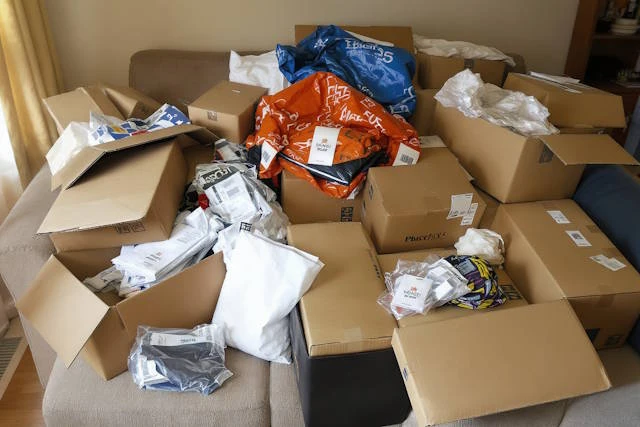
While you wait for a new item‚ an entire system of imagination and anticipation takes shape. Every day until delivery adds another layer of fantasy: how it will look at home‚ how it will improve your routine and how it will make you feel better. But the moment the item is unboxed and put to use‚ it loses the element of surprise. The anticipation that created a sense of positive energy gives way to everyday reality. What was "new" becomes part of the scenery‚ and that is exactly where the magic disappears. The object did not change - the way we look at it did.
The Power of Imagination in Modern Consumerism
The companies that make and market products are well aware of the power of imagination. Advertising and branding sell not just a product but a story - a better life‚ peace of mind‚ success or a sense of belonging. Consumers buy not only an object but the dream that comes with it. So when the item arrives and turns out to be an ordinary part of reality‚ the gap between imagination and reality leads to disappointment. The magic was never in the product itself but in the promise woven around it.
The Gap Between Real Need and Emotional Desire
Many purchases are driven by emotional desire rather than real need. Boredom‚ loneliness or fatigue often translate into a click on "Add to cart". That moment provides a brief sense of control - as if an inner void could be filled with a new object. But when the item arrives‚ it turns out the void is still there. This realization makes the magic vanish almost instantly‚ because it was never about the object‚ only about the feeling that preceded the purchase.
How Endless Choice Affects Satisfaction
In a world where everything is accessible and available‚ the sense of uniqueness fades. Buying a particular item used to be an event - something done after careful thought or long saving. Today‚ almost anything can be ordered with a single click. When the options are endless‚ every choice feels temporary‚ and even the newest item quickly loses its special feel. Before you have even gotten used to it‚ an ad appears for something "better". This cycle of constant abundance makes the magic fade fast‚ because nothing feels truly rare anymore.
Objects That Reflect Us More Than They Serve Us
In Ramat Gan‚ as in any other modern city‚ it is easy to see how consumption has become part of identity. Choosing furniture‚ clothing or home accessories is not just a functional matter - it is also a statement about taste‚ status and lifestyle. But when objects are chosen to reflect an identity rather than to fill a real purpose‚ they quickly lose meaning. Once the eye gets used to them‚ they stop exciting us. The result is a space full of beautiful but soulless things - a memory of a sense of renewal that has already passed.
The Link Between Overbuying and Emotional Overload
When a home fills up with items bought on impulse‚ a sense of overload sets in. Objects that are supposed to make life easier create visual and emotional clutter. Each such item is a small reminder of a moment when you were looking for calm or comfort. Instead of providing peace‚ they add more noise to the space. Objects that serve no real purpose drain energy - in cleaning‚ in maintenance and in the space they take up. Reducing the number of items often brings more calm than adding to them.
Looking for Meaning Beyond the Purchase
To avoid that sense of disappointment‚ it is worth examining our relationship with objects from a different angle - not how new they are‚ but what they represent. An object with emotional meaning or real use keeps bringing joy years after it was bought. By contrast‚ items bought to fill an emotional void lose their power the moment the void fails to disappear. Meaning is created when an object accompanies an action - a book read again‚ a mug that warms your hands in the morning‚ or a photo that recalls a real moment of life.
How to Bring the Magic Back to Things You Already Own
Not every object that has lost its magic is doomed to be forgotten. Sometimes a small change - a new spot‚ a good clean or a different context - restores the sense of novelty. This is true of simple things too: a shirt forgotten in the closet can become a favorite again‚ and an old dish can find a new use. When you stop chasing novelty and start appreciating what you have‚ you discover that the magic never disappeared - it was only pushed aside.
Breaking Free from the Habit of Automatic Consumption
One of the most significant changes is the ability to pause for a moment before buying. To ask what really lies behind the desire - a real need or a passing impulse. The pause itself changes your relationship with consumption. It allows purchases to become conscious rather than habitual. Once shopping comes from a place of informed choice‚ the objects that remain will be ones chosen with real love rather than out of a momentary emotional need.
In Conclusion
The magic that new objects lose is a reminder that the greatest excitement does not come from the object itself but from the meaning we give it. Any item can become special when there is a story‚ a use or a memory behind it. But when an object is bought only to fill an emotional void‚ it will quickly lose its power. Real change does not happen in the wallet or the closet but in the mind - in the understanding that peace of mind is not measured by the number of things you own but by the ability to enjoy what is already there.