Shopping Driven by a Need for Comfort
Why buying things for comfort brings only brief relief‚ how the cycle keeps itself going and how awareness helps you take back control.
The Link Between Emotions and Everyday Consumption
Emotional spending is not a new phenomenon. People have been using shopping as a way to regulate their emotions for decades. But in the digital age‚ when everything is a click away‚ the line between need and emotion is blurring. When you feel tired‚ low or lonely‚ it is very easy to turn to the virtual shopping cart instead of a conversation‚ rest or an activity. The calm that comes after a purchase is no coincidence - it is a chemical reaction in the brain‚ which releases dopamine and creates a feeling of momentary relief. The problem is that this calm is short‚ and when it passes‚ the next need for comfort arises.
The Difference Between Rewarding Yourself and Emotional Compensation
There is a fundamental difference between a conscious reward and emotional compensation. A reward is given in recognition of effort - after an achievement‚ the end of a project or a challenging period. It is based on inner recognition and comes with a sense of satisfaction. A purchase made for compensation‚ on the other hand‚ comes from the need to calm an emotional imbalance. It tries to fill a void‚ not to celebrate an achievement. While a reward carries lasting value‚ compensation disappears as soon as the package is opened. This small difference changes everything‚ because it determines whether the purchase leaves behind a sense of fulfillment or only a trail of quiet regret.
How the Cycle of Emotional Shopping Grows Stronger
When a purchase is meant to make up for a feeling‚ it is measured not by need but by the intensity of the emotion. The harder the day‚ the bigger or bolder the purchase. The item bought takes on an emotional role - to calm‚ to cheer up‚ to console. But it can never truly fill that role. After a short while‚ when the emotional state returns to normal‚ the magic fades‚ and the disappointment creates a new need. This is how an ongoing cycle forms‚ in which the purchase serves as an escape mechanism‚ not a solution.
How Consumer Culture Shapes Self-Image
In a world where advertising accompanies every moment‚ it is hard to avoid the feeling that "something is missing". Marketing messages seep in through screens‚ billboards and social networks‚ encouraging the belief that happiness lies in the next item. When this goes on for a long time‚ personal identity begins to blend with what has been bought. A person starts to feel "good" when they buy and "empty" when they do not. This is not a personal weakness but the result of ongoing exposure to clever persuasion mechanisms. Understanding that compensation does not really fill an inner need is the first step back to real control.
The Moment After the Purchase - Why Is It So Short?
The excitement of a purchase lasts a particularly short time. The moment of opening the package is the peak of the experience - a moment when the brain interprets the act as a wish come true. But very quickly the item becomes part of the routine and loses its shine. The emotional experience disappears‚ but the body remembers the initial feeling of satisfaction. So the next time emotions are shaken‚ it seeks to recreate the same feeling. This is an automatic‚ almost biological mechanism that feeds itself again and again.
The Financial and Emotional Price of Comfort Shopping
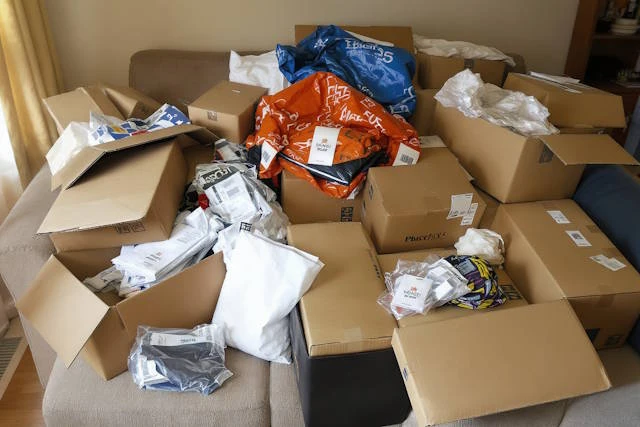
Purchases like these can add up quickly and become both a financial and an emotional burden. The spending may look small each time‚ but taken together it creates ongoing unease. Beyond that‚ every item bought out of emotional rather than real need adds a sense of clutter at home and in the mind. These objects carry an energy of restlessness‚ a small reminder of a moment when comfort sought expression through money. Over time‚ it is not only the closet that fills up‚ but the mind as well.
Choosing Awareness Over Impulse
Dealing with a pattern like this starts with recognizing it. A brief pause before a purchase and one simple question - "Am I buying because I need it or because I want to feel better?" - changes the whole picture. Awareness itself breaks the automatic response. If it turns out the motive is emotional‚ you can choose another option: a conversation‚ a short walk‚ music‚ or anything that reminds you that the soul can find comfort even without new things. The more awareness grows‚ the more the habit of consuming is replaced by a habit of listening to yourself.
Restoring Value to the Things You Already Have
Not every need for comfort has to end in a purchase. Sometimes touching an old item that brings back a good memory‚ or finding a new use for something you already own‚ restores real satisfaction. When you appreciate what exists and give it new meaning‚ the need to buy diminishes on its own. It is a shift in mindset - from momentary excitement to a real connection with what is already there. It is precisely from this simplicity that a sense of wealth is born‚ one that does not depend on your wallet.
Emotional Responsibility as the Basis for Financial Freedom
Controlling emotional spending is not only a matter of money but of freedom. When emotions do not run your decisions‚ room opens up for a more stable and calmer life. This freedom does not come from restriction‚ but from a deep understanding of what drives desire. Instead of seeking compensation‚ the ability to find satisfaction through balance develops. The moment consumption becomes a conscious choice rather than an automatic reaction‚ it stops being an escape mechanism and starts being part of genuine well-being.
In Summary
Shopping driven by a need for comfort is a reminder that every emotion asks for recognition‚ not replacement. Things can bring joy‚ but they are not a cure for emotional emptiness. Only self-awareness‚ a pause before deciding and the ability to tell real need from a passing urge will put control back in your hands. When enjoyment of life comes from its substance rather than from consumption‚ every purchase becomes a truly free choice‚ and every day feels more complete even without something new.