How Does a Sale Become a Dangerous Habit?
Why discounts trigger an almost automatic reaction‚ how marketing plays on urgency and how to bring awareness back to your shopping.

The Psychological Magic Behind a Discount
A discount is not just an economic figure but an emotional experience. When a price drops‚ the brain interprets it as a "gain"‚ even if it is something that was never needed in the first place. The feeling of having "scored" a good deal releases dopamine - the same hormone that reinforces a sense of satisfaction. The problem is that this reaction creates a cycle of repeat buying. Instead of asking whether the item is really needed‚ the focus shifts to the size of the discount. Every time a "1+1" or "70% off" sign appears‚ an almost automatic reaction kicks in - as if it were an opportunity that will never come again‚ even though it will be back next week.
When the Price Wins Over the Real Need
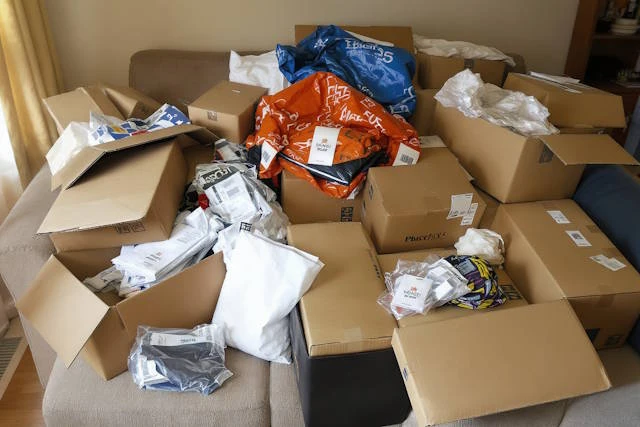
In many cases‚ buying on sale happens not out of real need but out of a sense of urgency. An item that seemed unnecessary yesterday suddenly becomes a "smart purchase" just because of a red tag. This is how a home fills up with things that are not really needed - shirts with the tags still on‚ skincare products forgotten in a drawer or gadgets that stay in the box. Instead of saving‚ hidden waste builds up. The need for a quick sense of gain replaces economic logic‚ and control passes to the marketing mechanisms rather than to real personal planning.
The Mental Load That Comes with Overbuying
At first glance‚ buying on sale looks like an innocent act. But when sales become a habit‚ they can create an emotional burden. Every unnecessary purchase produces a small sense of guilt‚ even if it is not conscious. The growing pile of items at home sends out a sense of unrest - a feeling of excess that hides a deeper dissatisfaction. Instead of filling a real need‚ the purchase creates new noise - a sense of being overwhelmed that makes it hard to tell what matters from what has simply piled up. Over time‚ the sale loses its original meaning and becomes an automatic response to stress‚ boredom or emotional emptiness.
The Sophisticated Side of Discount Advertising
In the consumer world‚ almost every sale is designed to create a sense of urgency. Messages like "until midnight only" or "last item in stock" are meant to trigger an immediate reaction without leaving room for thought. The crossed-out original price‚ the round numbers and the bright colors are all part of precise psychological engineering. It is a language that activates the imagination rather than logic. This creates a sense of opportunity that does not really exist‚ because the goal is to make people act‚ not think. The better you understand this mechanism‚ the easier it becomes to tell when it is a real need and when it is an emotional reflex.
The Cycle of Instant Gratification and Later Regret
Over time‚ shopping on sales works the same way as other habits based on instant reward - such as obsessively checking your phone or emotional eating. After the initial satisfaction comes the sobering-up stage. The brief feeling of victory is replaced by a sense of loss. Once the sale is over and the item loses its sparkle‚ all that remains is the knowledge that the decision came not from awareness but from a moment of weakness. It is a cycle that feeds itself: the more you regret‚ the more you look for the next thrill.
The Effect on Family Spending Patterns
When sales become a habit‚ they also affect the spending habits of the people closest to you. Children learn that a "smart purchase" means buying at a discount‚ even if the product is unnecessary. This creates a distorted view of value‚ in which a low price is seen as a virtue regardless of whether the item is truly useful. The result is a culture of excess instead of quality. Instead of saving‚ a tendency toward wastefulness develops‚ explained in terms of "economic sense"‚ even though it is exactly the opposite.
Looking for Satisfaction in Other Ways
The way to break the cycle of sales is not to avoid buying altogether but to become aware of the moment before. When you stop to ask what is really missing - comfort‚ quiet‚ time or change - it turns out that sometimes there is no connection between what body and mind need and what your wallet is ready to pay for. Satisfaction can also come from non-material sources: a short walk‚ a good conversation‚ tidying a space you already have or even putting the purchase off to another day. Each of these actions restores a sense of control and reduces the need for the "discount thrill".
Real Savings Are Measured in Inner Calm
Real savings are not measured by the numbers on the price tag but by the calm you feel when you no longer feel the need to chase an opportunity. Once you stop buying on impulse‚ space opens up - at home‚ in your head and in your bank account. The things that remain are the ones chosen with thought‚ not under pressure. This change starts with small decisions‚ such as waiting a day before buying or analyzing the reason for the purchase. Over time‚ sales lose their power too‚ and shopping becomes a choice again rather than a habit.
In Summary
Sales can be a good opportunity - but when they become a habit‚ they take a quiet toll. Every sign promising an "insane discount" is also a small test of awareness. Once you recognize that the thrill is bigger than the need‚ you can stop and choose differently. Sales will keep happening‚ but the difference will be in how you respond to them. Instead of feeling controlled by the price‚ you will gain a sense of control‚ stability and calm. That is the real gain - not in the discount‚ but in a life that feels whole even without buying more.