The Smart Devices That Made Us Less Calm
How smart homes‚ phones and constant notifications create stress‚ dependence and fatigue - and how to bring balance back into daily life.
The Convenience That Became a Burden
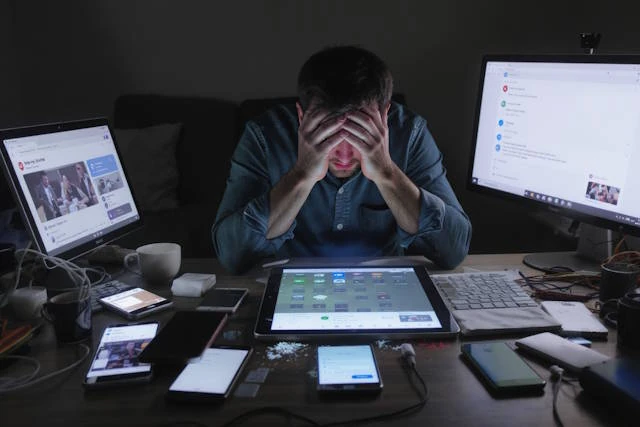
The promise of a smart technological world was to free up time‚ reduce effort and offer remote control. In practice‚ many people discover that this convenience comes at an emotional price. Notifications from a watch during a walk‚ updates from a smart fridge about missing groceries or alerts about excessive electricity use - all of them flood the mind with endless information. The line between real help and an intrusion on quiet keeps blurring. Instead of enjoying a break‚ many feel a constant need to check‚ update and fix. And so the very technology meant to make life easier becomes a new source of stress.
Technological Control That Replaces a Sense of Security
In the past‚ a sense of security came from knowing your surroundings and your habits. Today it depends on a working Wi-Fi connection and an updated app. Inner calm has been replaced by the need to check again and again that everything is working as it should - that the cameras are connected‚ the house is locked and the air conditioner is not running for nothing. Digital control does let you know everything at any moment‚ but it also feeds a hidden anxiety: what if something stops working? What if the app crashes? This small fear becomes a routine that accompanies every user‚ almost without notice.
The Time That Disappears Without Us Noticing
Smart devices were designed to save time - but many experience the opposite. A quick check of a voice message‚ an app update or a small change in settings can eat up many minutes without you noticing. The mind is drawn to instant stimuli‚ and every little beep grabs attention. This creates a cycle in which it is hard to focus on one thing for long. Peace of mind disappears in favor of a constant need to stay "up to date". Even simple moments of leisure‚ like sitting quietly or reading a book‚ have become a challenge in a world where everything measures‚ records and notifies.
Dependence Disguised as Efficiency
When devices can do almost everything‚ the ability to manage without them grows weaker. What used to be a simple action‚ like setting the temperature or switching on an appliance‚ now requires an app‚ a password and an account login. Technology develops a quiet dependence - not only on the devices themselves‚ but also on the sense of control they provide. When there is no internet‚ everything stops. The experience of independence is replaced by a hidden dependence. Even if life seems more convenient‚ in many ways it has become captive to systems that people no longer fully control.
The Privacy That Vanished with Convenience
The smarter devices become‚ the more they know about their users. Cameras‚ voice assistants‚ lighting systems and thermostats collect data all the time. This convenience seems innocent - but it exposes our private lives to companies‚ apps and distant servers. Knowing that every movement‚ command or habit is recorded creates constant unease. Even when there is no real danger‚ the feeling that someone is "watching" affects peace of mind. It changes behavior‚ heightens self-consciousness and produces a new kind of mental fatigue.
Social Comparison in a Smart Age
Technology does not stay within the walls of the home - it also widens social comparison. New devices‚ advanced models and popular apps become a measure of status. The wish to be "up to date" creates hidden pressure to replace‚ upgrade and stay ahead. Instead of enjoying the tools they already have‚ many people find themselves in an endless race after the next innovation. This creates fatigue that is not only financial but also emotional - a constant need to prove yourself and keep up‚ instead of simply being.
The Price of Constant Availability
Smart devices blur the line between work and leisure. Work messages arrive on personal phones‚ smartwatches announce new emails‚ and even TVs receive notifications while you watch. The idea of "disconnecting" has become almost impossible. Even when there is no need to be available‚ there is a feeling that it might be worth checking anyway. This availability creates an ongoing emotional load that keeps the mind from truly resting. Quiet disappears‚ and the body stays on alert - at home‚ at night and on vacation.
A Renewed Search for Balance
This is not a call to give up technology‚ but an understanding that it should serve people‚ not the other way around. You can create a balance between convenience and freedom with simple settings - turning off notifications‚ leaving the phone outside the bedroom or limiting hours of use. Deciding not to be available all the time is not a weakness‚ but a conscious choice. Once you take back control of your personal habits‚ the devices also return to their natural place - tools that help‚ not tools that manage.
Summary
The smart devices that have entered our lives brought convenience‚ progress and innovation‚ but they have also made us less calm. They save time and offer control‚ yet at the same time they take away attention‚ quiet and simplicity. Restoring balance does not require new technology - it requires a new approach. When control returns to human hands‚ and the pace is set by needs rather than notifications‚ a real chance for calm emerges. The question is not how smart the devices are‚ but how well people manage to stay calm amid all that intelligence.