Apps That Promise Order and Create Chaos Instead
Why the flood of planning and tracking apps often overloads our attention instead of organizing life‚ and how to bring back simplicity.
Too Many Options That Confuse More Than They Help
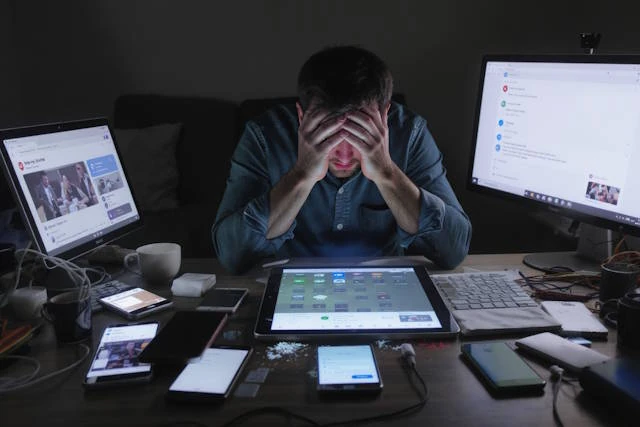
There is an app for almost everything: tracking expenses‚ managing time‚ monitoring sleep‚ planning meals‚ handling tasks at work and at home. The sheer number of options gives a sense of control - but in practice it creates choice overload. Every app requires learning‚ syncing‚ updates and consistency. The brain‚ which is built to simplify and focus‚ finds itself working overtime to maintain digital order instead of enjoying it. This creates a paradox: instead of saving time‚ many people end up spending more time managing the tools that were supposed to save it.
From Outer Order to Inner Chaos
When every moment is logged in an app‚ inner attention scatters. Lists‚ reminders and notifications turn into a kind of background noise that replaces our natural ability to listen to ourselves. Instead of feeling what really matters‚ everything is measured in numbers‚ statistics and colorful icons. Outer order blurs the line between what is essential and what is trivial. Even when everything is filed and categorized‚ the mind feels overloaded. Technical order is not necessarily emotional order - and the gap between them is what produces the feeling of chaos.
The Illusion of Control in an Unpredictable World
One reason apps are so popular is the sense of control they provide. They offer a simple solution to a complex world - "put everything into the app and it will sort you out". But reality cannot always be planned. Events change‚ people surprise us‚ emotions get mixed up. When the software cannot keep up with the pace of life‚ frustration sets in. The illusion of control fades and leaves a sense of helplessness behind. People are left feeling that the problem lies with them - not with a system that cannot truly hold human life in all its fullness.
Order Based on Depth‚ Not Quantity
The answer to digital chaos is not necessarily giving up technology but choosing tools more wisely. Focused use of a few apps that really suit your lifestyle brings simplicity back to order. Instead of chasing perfection‚ it is worth focusing on what actually makes things easier: one calendar‚ one system for lists‚ one main communication tool. Real order begins where you stop measuring everything and start feeling again what works and what weighs you down.
How Notifications Affect a Sense of Calm
Notifications have become a new language - a sound‚ a vibration‚ a small icon on the screen. Each one demands attention‚ even if only for a moment. A flood of notifications creates a mental load that reduces the ability to concentrate. The brain switches from one state to another without ever truly resting. The result is accumulated fatigue‚ lower concentration and a feeling of stress. Real order is not measured by the number of notifications you receive but by the ability to choose when to respond and when to simply let the technology be.
The Gap Between Planning and Reality
Apps are based on the assumption that everything can be predicted in advance - setting tasks‚ marking goals and measuring progress. But life is full of chance‚ surprises and situations that do not fit the template. When reality falls short of the goals set in the app‚ an emotional gap opens up. Instead of flexibility‚ self-criticism appears: "we did not get it done"‚ "we did not stick to the plan". This is how the freedom of improvisation disappears - the freedom that lets a day unfold without pressure. Real digital order has to be able to make room for uncertainty too.
The Power of Going Back to Simplicity
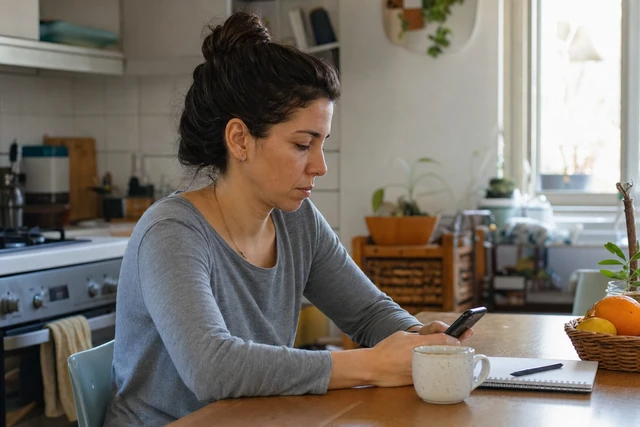
Sometimes the most effective way to create order is actually to remove layers of complexity. A pen and paper‚ a notice board‚ a short conversation or a voice reminder can sometimes replace a complicated digital system. Not everything needs to sync to the cloud. When order is kept simple‚ the brain experiences a real sense of control rather than an imagined one. Simplicity gives the responsibility back to the person and not to an algorithm trying to run their life.
Balancing Technology and Self-Awareness
The key to calm in the world of apps is balance. Technology is a tool‚ not a substitute for awareness. Mindful use lets you enjoy the benefits without getting swept away by them. It is important to leave room for inner listening as well - to notice when there is a real need for order and when it is an attempt to control things that are beyond control. Once you pay attention to this‚ digital order begins to sort itself out in a more natural and relaxed way.
In Summary
Many apps promise order‚ but many of them create a new kind of chaos - chaos that hides behind a sense of control. In a world where every moment is logged and measured‚ the real challenge is finding the balance between technology and life itself. Real order does not depend on the number of tools but on the inner calm that exists even without them. Sometimes the most accurate way to be organized is simply to stop trying so hard - and let order form naturally‚ at a human pace.