When Home Becomes the Office: When Does the Arrangement Stop Fitting Your Routine?
The signs that working from home no longer fits: falling focus‚ blurred boundaries‚ loneliness‚ back pain and friction with the people you live with.

One of the alternatives that people who work from home consider is a professional workspace outside the home‚ for a day or two a week or as a permanent base. Such a place offers a proper desk‚ an ergonomic chair‚ fast internet and meeting rooms‚ and above all a clear separation between home and work. For some people‚ simply leaving the house in the morning changes their approach to the whole day and improves concentration. Still‚ there is no single solution that suits everyone‚ and it is important first to understand exactly what is not working in the current arrangement. The signs described below can help you recognize when it is time for a change.
A Drop in Concentration
One of the first signs that the arrangement no longer fits is a decline in the ability to focus for long periods. The home is full of small distractions: laundry waiting to be done‚ a courier at the door‚ a fridge that keeps calling or a TV just a few steps away. Each interruption seems minor‚ but together they break the day into small pieces and hurt the quality of the work. Many people find themselves working more hours and getting less done. When a task that would take two hours at the office stretches over a whole day at home‚ it is a sign to stop and take stock.
Blurred Lines Between Work Hours and Free Time
When the computer sits in the living room‚ it is hard to close the workday. Emails get checked in the evening‚ messages get answered on weekends‚ and there is always the feeling that one more small thing can be done. Over time‚ this blurring of boundaries leads to burnout‚ accumulated fatigue and a sense that there is no real free time. Family members feel it too‚ when a parent or partner is at home but their mind is at work. A clear separation between the place of work and the place of rest helps the brain switch between modes and disconnect at the end of the day.
Loneliness and a Lack of Interaction
Working from home cancels the small chats in the kitchen‚ the shared lunches and the spontaneous consultations with colleagues. For some people this is an advantage‚ but many others discover after a few months a sense of loneliness that affects their mood and motivation. A lack of interaction also hurts creativity‚ since new ideas are often born from a chance conversation. Scheduled video calls replace only part of the informal contact that develops in an office. When loneliness starts to weigh on you‚ it is worth looking for ways to bring human contact back into the work routine.
Back Pain and a Non-Ergonomic Setup
The dining table and the sofa were not designed for eight hours of work in front of a screen. Sitting for long periods in the wrong posture causes back‚ neck and shoulder pain‚ and sometimes headaches and eye strain as well. Investing in a suitable chair‚ a screen at eye level and good lighting can improve the situation‚ but not every apartment has room for a full work corner. When the pain keeps coming back despite efforts to improve the setup‚ it is a sign that the place simply does not fit. Health is a central consideration in any decision about the work arrangement.
Friction with the People at Home
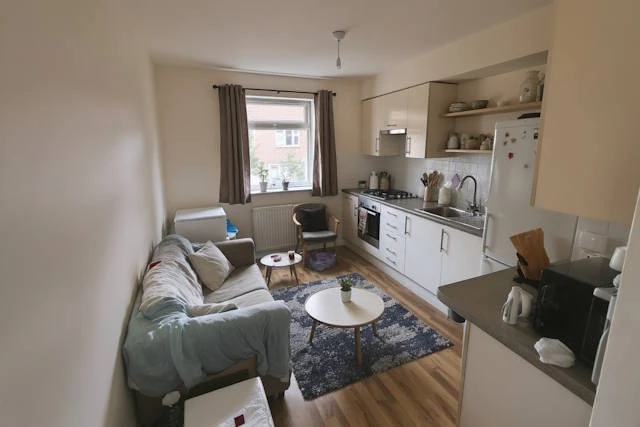
When several family members work or study from home at the same time‚ the space becomes crowded. Phone calls clash‚ the noise is disturbing‚ and the argument over the quiet room comes back every morning. Even when only one person works from home‚ the expectation that they will be available for errands and household chores creates tension. Friction like this affects both the family atmosphere and the quality of the work. When home stops being a place of rest for everyone in the family‚ it is worth considering moving some of the work outside.
Meetings Without a Suitable Place
Working from home suits independent work‚ but it gets complicated when you need to meet clients or partners face to face. Inviting a client into the living room is not always appropriate‚ and a café is not suitable for sensitive conversations or presenting materials. Video calls from home also often suffer from background noise and an unprofessional backdrop. When meetings are postponed or moved to video only because there is no suitable place‚ the business or career may suffer. An available meeting space‚ even one rented by the hour‚ solves this problem relatively easily.
The Effect on Professional Progress
Salaried employees who work only from home sometimes discover that they are less visible in the organization. Managers tend to remember the people they meet in the hallway‚ and important conversations about new projects sometimes happen without advance planning. Freelancers also find it harder to build connections and reach new clients when they do not leave the house. In the long run‚ professional isolation can slow development and reduce opportunities. A regular presence in a professional environment‚ even a partial one‚ maintains connections and visibility.
A Hybrid Model as a Middle Ground
The decision does not have to be between working fully from home and returning fully to the office. A hybrid model‚ in which part of the week is spent working from home and part in a professional space‚ makes it possible to enjoy the advantages of both options. Days of quiet independent work can happen at home‚ and days of meetings‚ collaboration and tasks that require a professional environment can happen outside it. This flexibility makes it possible to adapt the arrangement to changes in work and life. It is worth trying the model for a month or two and checking its effect on your concentration‚ health and mood.
What to Consider When Choosing an Alternative
Anyone who decides to leave the house for some of their workdays needs to choose a place that suits the nature of their work. A short commute is a key consideration‚ because a long drive cancels out part of the advantage of flexible work. It is worth checking the noise level‚ the quality of the internet‚ the availability of meeting rooms and the opening hours. The payment structure matters too: some places offer day passes‚ while others offer a monthly membership with a fixed desk. A trial day or two lets you get a feel for the place before committing‚ and check whether it really improves your concentration and overall sense of well-being.
In Summary
Working from home can be an excellent arrangement‚ but it does not suit every person at every stage. A drop in concentration‚ blurred boundaries‚ loneliness‚ physical pain and friction with the people at home are signs worth listening to. Difficulty holding meetings and slower professional progress also indicate that the arrangement no longer serves the routine. A hybrid model that combines home with a professional workplace makes it possible to keep the flexibility and fix what is not working. An honest look at the situation is the first step toward a healthier‚ more efficient work routine.