A Word Written in Haste Can Change a Legal Outcome
Why a single imprecise word in a contract‚ letter or message can change the outcome of a dispute and how precise wording protects your rights.
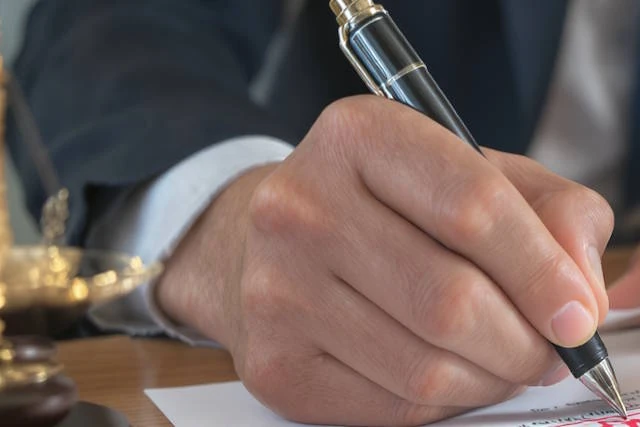
The Power of Precise Wording in Legal Documents
Every legal document - whether a contract‚ a demand letter‚ a will or a statement of claim - is judged not only by its spirit‚ but mainly by the words used in it. A small difference between "may" and "must"‚ between "can" and "is obligated to"‚ can decide a dispute worth millions. Vague wording allows open interpretation‚ and open interpretation is fertile ground for disputes. That is exactly why lawyers must be precise with every word and make sure each clause carries only one legal meaning. A legal document is not just a record of agreements - it is a contract with real‚ and sometimes irreversible‚ consequences.
The Difference Between Intention and Wording
Many people believe that when the intention is clear‚ there is no need to be careful with the words. But the law deals not with intentions‚ but with their written expression. Contracts signed "on the basis of mutual understanding" often fail precisely because of incomplete or vague wording. The court examines what is written‚ not what the parties thought they meant to say. So even if both sides understood each other verbally‚ a word that was added or left out can change the outcome. The intention stays in the mind‚ but the written word decides in reality.
Letters‚ Messages and Emails as Legal Evidence
In the digital age‚ almost every communication is recorded. A text message‚ an email or a message in an app can become legal evidence. Sometimes these are words written in haste‚ under pressure or in a moment of anger‚ yet in court they carry weight as if they were an official document. A word written without thought can serve as an admission‚ as proof of an obligation or as evidence of a certain intention. So in every written communication - even if it seems routine - you should understand that words remain‚ and sometimes come back in the future in a way no one expected.
The Consequences of Language Errors in Contracts
A single language error can open the door to a different interpretation. The position of a comma‚ a wrongly used word or confusion between masculine and feminine forms can change the scope of an entire clause. There are cases in which contracts were canceled or amended only because one word did not fit the rest of the legal context. In a world where any clause may one day be placed before a judge‚ linguistic responsibility becomes legal responsibility. Careful‚ precise wording is not just a matter of style‚ but a real means of protection.
The Responsibility of Lawyers When Drafting
A lawyer's role is not only to defend a client in court‚ but to prevent situations that would require litigation in the first place. Careful legal drafting is one of the main ways to prevent disputes. An experienced lawyer knows how to tell the difference between wording that may raise doubt and wording that clarifies every possibility. Every contract is written with thought about what could go wrong - not only about what is supposed to happen. This prevents in advance a misinterpretation that could lead to an unnecessary lawsuit.
Why Careful Reading Before Signing Matters
One of the most common mistakes is signing a legal document without reading every word. Many rely on the other side or on standard wording‚ but discover too late that one small clause changed everything. A careful reading of a contract‚ with a critical eye and with the help of a lawyer‚ can prevent a great deal of grief. A signed document is binding legal proof - no matter whether it was signed in haste or in good faith. It is everyone's responsibility to make sure they understand exactly what they are signing.
Words That Blur Responsibility
Some legal phrases look innocent but in practice blur responsibility. Words such as "as far as possible"‚ "to the best of my knowledge" or "subject to the above" create a web of legal room for maneuver. They may protect one side and weaken the position of the other. A skilled lawyer knows when such wording is needed‚ but also when it is dangerous. Any addition of this kind may become a point of dispute later on‚ especially when the initial understandings are not backed by sharp‚ clear wording.
The Legal Meaning of Literal Interpretation
Courts in Israel tend to balance the language of the contract with the intention of the parties‚ but when the language of the document is clear‚ it prevails. This means that the written words are stronger than explanations given after the fact. Even when one side tries to prove that "that was not the intention"‚ the court will ask: what exactly was written? When the wording is clear‚ it is almost impossible to change the interpretation. This once again highlights the importance of linguistic precision‚ because once the document is signed‚ the words become legal facts.
How Language Affects Trust and Fairness
Careful wording is not only meant to prevent mistakes‚ but also to preserve trust between the parties. A well-written contract is one that both sides understand in the same way. Precise legal language is not necessarily complicated language - it is transparent language‚ free of doubt‚ that clarifies obligations and prevents surprises. When both sides feel that the words faithfully reflect their intentions‚ a basis for fairness is created. It is simplicity - not complexity - that prevents disputes.
Summary
In the world of law‚ a single word can decide an entire case. Every phrase‚ every comma and every term is examined under a magnifying glass. Precise writing is not only a communication tool‚ but an essential means of legal protection. A word written in haste can become a costly mistake‚ while a measured and considered word can save a case. It is important to understand that behind every contract‚ affidavit or message there is a heavy linguistic responsibility. In a world where one word changes everything‚ there is no room for speed - only for precision and thought.