Work in the Shared Yard: What to Settle with the House Committee and the Contractor Before Day One?
The issues worth agreeing on with the house committee and the contractor in advance so that work in a shared building yard goes smoothly.
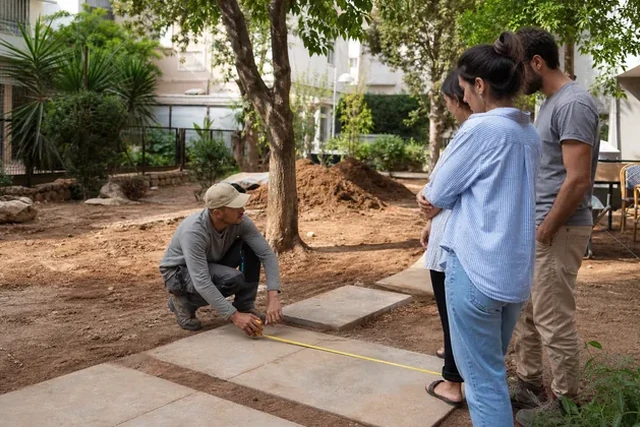
The way to prevent this is to settle most of the issues before the first day of work. The house committee needs to know exactly what is planned‚ who is paying and how decisions are made‚ and the contractor needs a full picture of the site‚ the access and the constraints. In many yards the choice today falls on artificial grass‚ which needs no watering or mowing‚ and then it is important to choose an artificial grass installer who is familiar with work in apartment buildings and knows how to coordinate with residents. Here is a list of the issues worth settling in advance‚ so the work goes quietly and the yard becomes a place everyone enjoys.
A Majority Decision and Its Documentation
A shared yard belongs to all the apartment owners‚ so a significant change to it should be approved by a decision of the general meeting according to the building's bylaws. It is worth convening a proper meeting‚ presenting the proposal with a rendering or photos‚ the price quotes and the cost split between the apartments‚ and holding a vote. The decision should be recorded in signed minutes. This documentation may seem bureaucratic‚ but it protects the committee if a resident later claims they were never asked‚ and it also makes clear to everyone exactly what was decided and what was not.
Who Pays and When?
The cost split is the most common source of disputes. In most buildings the cost is divided by apartment size or in equal shares‚ but it is worth agreeing on this explicitly rather than assuming. You also need to decide whether the money is collected in advance into the committee fund or in installments‚ and what happens if a resident does not pay. With the contractor‚ payment should be divided by work stages rather than paid in full upfront‚ and the invoice should be issued in the name of the house committee or the building's representatives‚ so that everything is orderly and transparent to all residents.
What Does the Contractor Need to Know About the Site?
An older building hides surprises. Sewage pipes‚ water lines or electrical cables may run under the yard‚ and sometimes there are manhole covers that must remain accessible. Pass on to the contractor any information the committee has about the infrastructure‚ and ask them to inspect the site before giving a final quote. Drainage should also be checked‚ because a yard where water collects in winter will need special preparation before any covering. A serious contractor will ask these questions on their own‚ and if they do not‚ that is a sign to check them again.
Access‚ Noise and Working Hours
Work in the yard affects everyone who lives in the building. Materials have to come in‚ soil has to go out‚ and sometimes noisy tools are needed. Agree in advance on the working hours‚ where materials will be placed without blocking the entrance or the parking‚ and how the stairwell will be kept clean. A proper notice to all residents with the schedule‚ posted at the entrance and sent to the building group‚ saves a lot of complaints. If elderly residents or families with babies live in the building‚ take them into account when planning the hours.
Warranty and Maintenance Afterwards
Before signing‚ find out what warranty covers the work and the materials and what it includes. Who handles it if the edge of the grass lifts or the surface sinks? It is also worth agreeing on who is responsible for routine maintenance once the work is done‚ such as brushing and clearing leaves‚ and whether this falls to the building cleaner or to a volunteer resident. A yard that nobody is responsible for will be neglected again within a year.
The Big Picture
Renovating a shared yard succeeds when it is planned as a project of the whole building rather than of one resident. A documented decision at the meeting‚ a clear cost split‚ full site information for the contractor‚ coordinated access and hours‚ and warranty and maintenance defined in advance make the work run smoothly. The result is a green yard that residents actually use‚ not another topic for arguments in the building group chat.