Perfect Timing That Does Not Depend on a Schedule
Why a great event runs on attention to people‚ emotion‚ crowd energy and well-placed pauses rather than on the clock alone.
Listening to the Human Rhythm
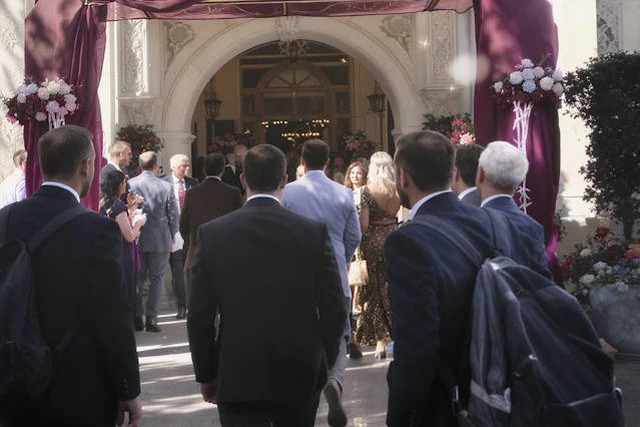
Every event carries an inner rhythm - breaths‚ conversations‚ laughter‚ footsteps. Precise timing begins with listening to that rhythm. When an event is organized by the clock alone‚ it feels rigid; but when what happens is matched to the human dynamic‚ things flow naturally. You can see this clearly when a speech begins right after a wave of applause‚ or when the music changes at the exact moment the guests feel like moving. Truly listening to people makes it possible to identify the right "now" - one that is measured not in minutes but in feeling.
Preparation That Makes Spontaneity Possible
Perfect timing is not born of pure chance. It is the result of advance preparation that gives real freedom of action. When there is precise planning behind the scenes‚ moments can be allowed to happen naturally without anyone being caught unprepared. It is order that allows improvisation‚ and knowledge that allows flexibility. Whoever knows the program well can tell when it is the right time to depart from it - and that is exactly where the harmony between planning and the live moment is created.
The Flow Between Different Elements
Every event has many parts - lighting‚ music‚ movement‚ audience and speakers. When they work together‚ a natural flow emerges. But this flow is not the result of mechanical synchronization; it comes from feel. There is a big difference between an abrupt shift from music to silence and a gentle transition in which each part senses the one that follows. Perfect timing is like a dance: every move happens at its own time‚ without effort and without stiffness.
A Sense of Presence That Leads to the Right Moment
Being on time means being truly present. Not thinking about what needs to come next‚ and not anxious about what has passed. When you produce or take part in an event with full attention to the moment‚ it is easy to tell when to act and when to simply let things happen. This kind of presence sharpens the senses - it lets you know when the guests need a short break‚ when the energy needs to rise and when calm will create the deepest effect.
Emotion as a Measure of the Right Moment
There are moments when emotion sets the pace more than any timer or chart. A tear during a speech‚ a small smile at the end of a song or a glance that lingers between people - these are moments that cannot be planned but can be felt. When emotion is given room to dictate what happens‚ an authenticity emerges that is felt in every corner. Perfect timing is the kind that lets emotion surface at the right time‚ without rushing to close it off or moving on just because the clock demands it.
The Balance Between Control and Letting Go
Every event needs a balance between control and letting go. Full control over every detail can create a sense of stagnation‚ while a total lack of control can lead to disorder. The right timing comes from knowing when to hold on and when to let go. Like a conductor who sets the tempo but also knows how to give the musicians room to express themselves‚ a successful event organizer or evening host combines planning with listening.
The Effect of the Audience's Energy
The energy of the participants sometimes matters more than the official schedule. An excited crowd needs time to settle before moving to the next stage‚ while a tired crowd will appreciate an immediate change of pace. The right timing takes the overall atmosphere into account‚ picks up on waves of energy and adjusts to them. When moments are built around how people feel and not just around the time‚ harmony is created. Every participant feels they experienced something natural - not forced into a schedule but unfolding at a truly human pace.
The Wisdom of Silence
Not every moment has to be filled with content or action. Sometimes it is precisely a short pause that gives a sense of perfect timing. A moment of silence after a speech‚ a breath before the next song begins or a slight delay in serving a course - all of these create space in which the experience deepens. Silence lets things sink in and highlights the meaning of what came before and what will come after.
Summary
Perfect timing is not the result of a precise clock but of a precise feel. It is born of listening‚ sensitive planning and the ability to notice the small details of the moment. When you manage to combine logic and intuition‚ order and spontaneity‚ real magic is created - the kind that cannot be measured but that everyone feels. Every event where the timing feels right is an event where people were truly present‚ listened‚ felt and let the moment lead them at its own pace.